MJ Teale Project
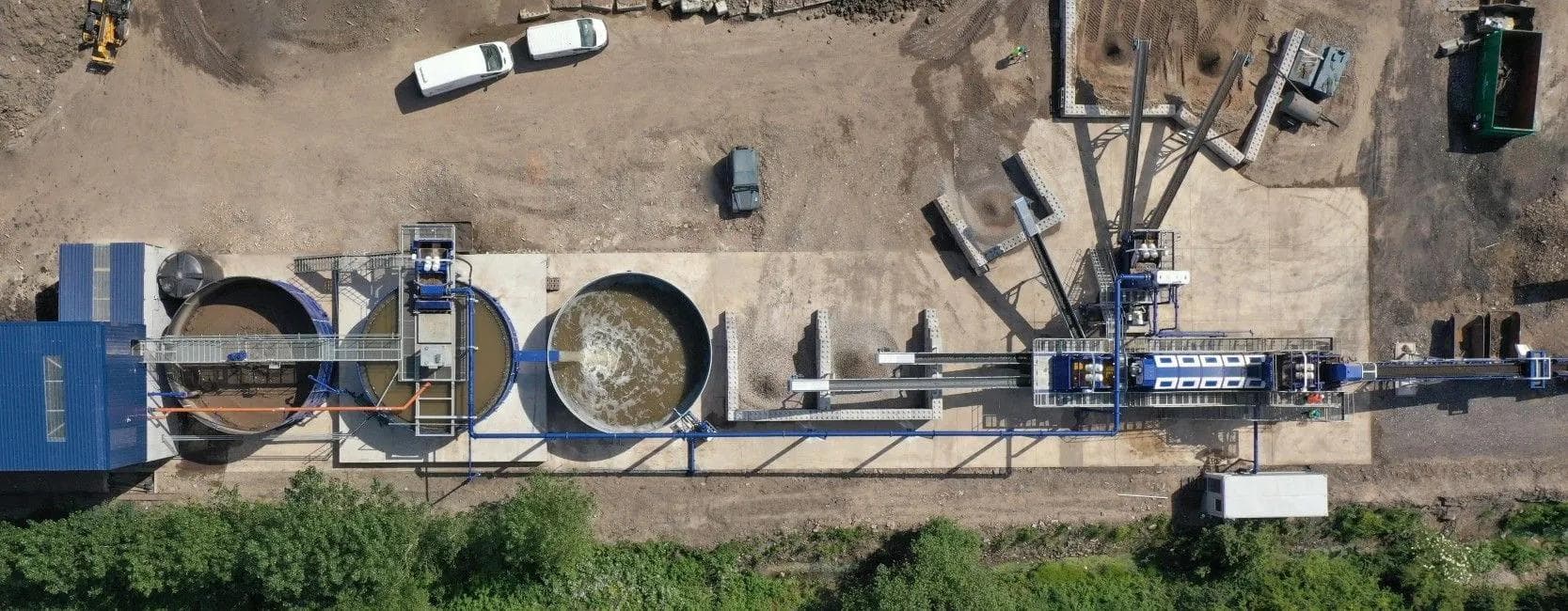
Modular recycled aggregate wash plant | 60 TPH with expansion plan to 80 TPH
Case Study Overview
Install Location
United Kingdom
Plant Type
Fixed Plants
Tonnes Per Hour
60
Case Study Summary
What happened
MJ Teale upgraded from dry processing to a wet washing and water treatment system to recover more usable sand and aggregates from fines-heavy feed.
They wanted to recover more usable product from difficult, clay-heavy incoming material. The goal was simple: reduce landfill, improve water reuse, and expand the range of washed recycled aggregates. The solution was a washing and water treatment system built around real site flow, operator access, and long-term serviceability. The result is cleaner products, higher throughput, and easier maintenance.
Challenge
The lost cost
Dry processing could not handle a large portion of the incoming feed. High fines and clay content, plus mixed and variable loads, meant too much material was being sent to landfill.
MJ Teale needed a washing system that could:
- Recover more usable product from difficult feed
- Expand the product range, especially clean sands and aggregates
- Improve water handling through treatment and reuse
- Reduce downtime with better access and simpler maintenance
Solution
What was installed
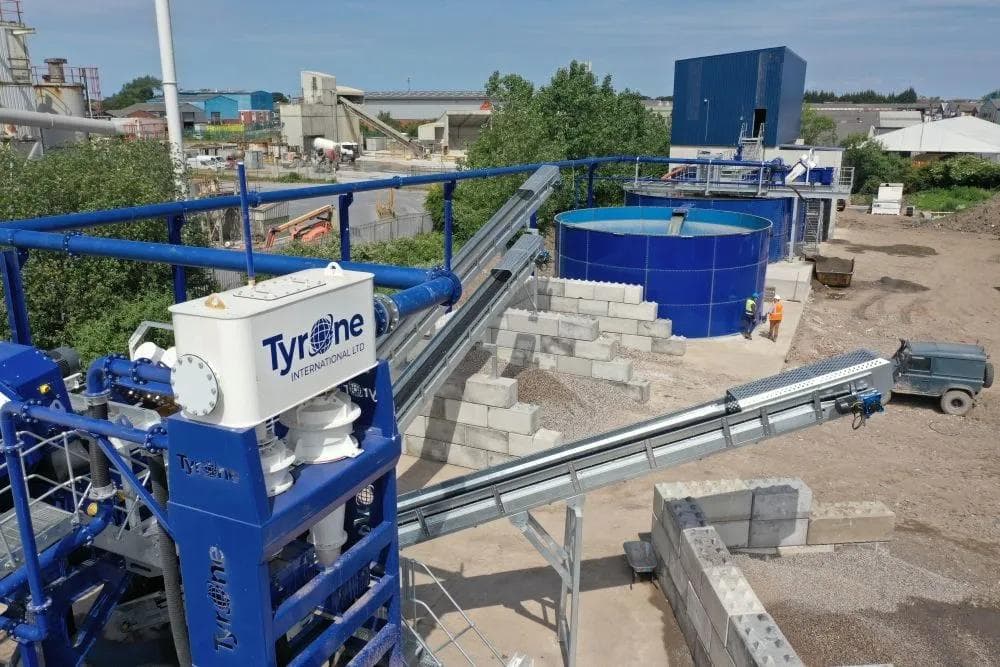
- Full water treatment system
- Overhead beam filter press
- Layout engineered around site logistics service access
Performance and capacity:
- Designed for 60 tph with feed containing up to 30% silt
- Achieving ~70 tph in operation, with a path to ~80 tph through added filter plates
Key process features:
- Pre-screening to remove very fine sand
- Twin-shaft log washer for clay and fines-heavy material
- Rinsing and sizing screens, plus dewatering and trash screening
Easy Numbers
Tonnes Per Hour
Designed for throughput. Specified to process 60 tonnes per hour as a baseline target.
Tonnes Per Hour
Target objective achieved. Currently running at an average of 70 tonnes per hour in operation.
Tonnes Per Hour
Plans to increase to 80 tonnes per hour by adding filter plates to the existing filter press.
Results
Key Outcomes
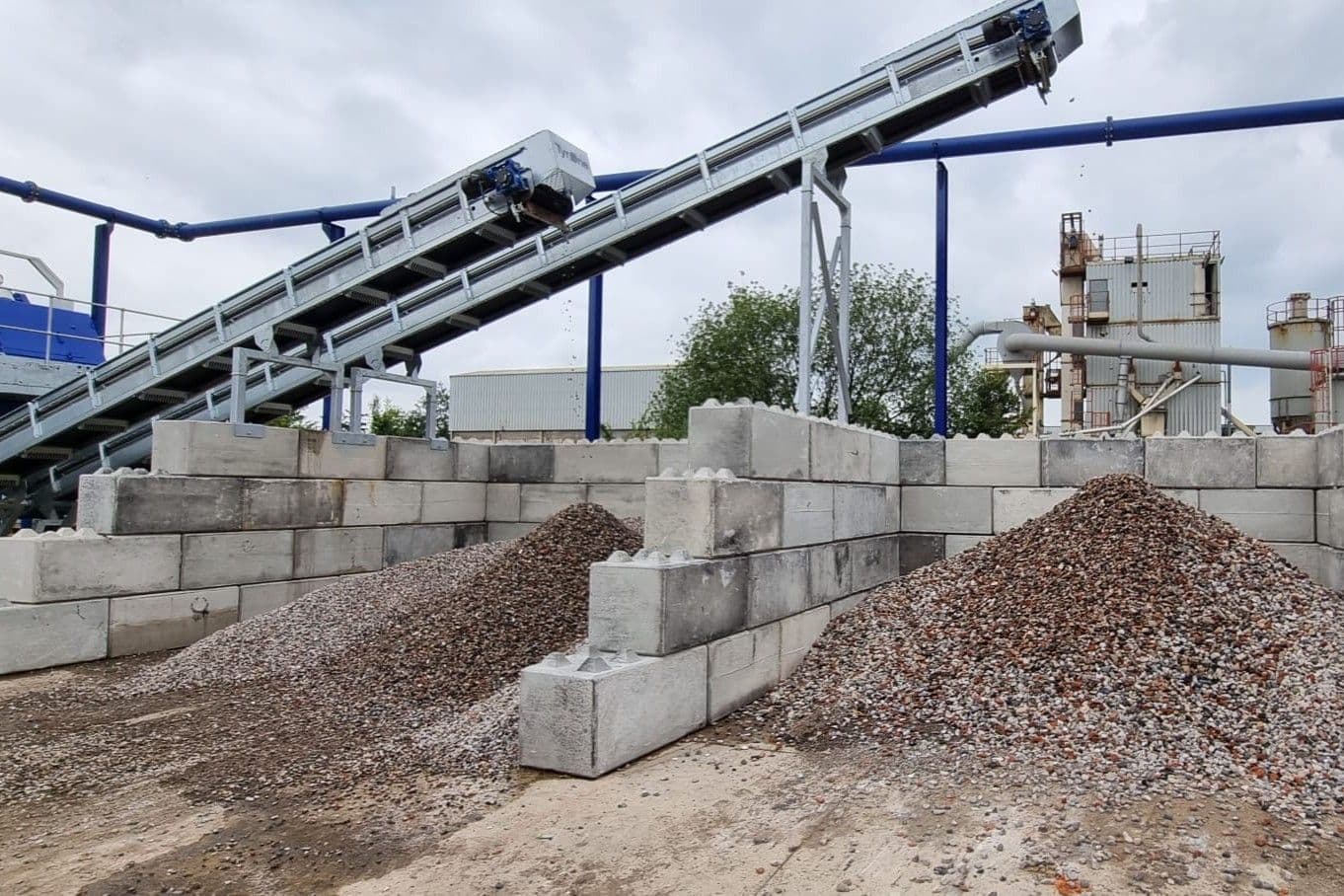
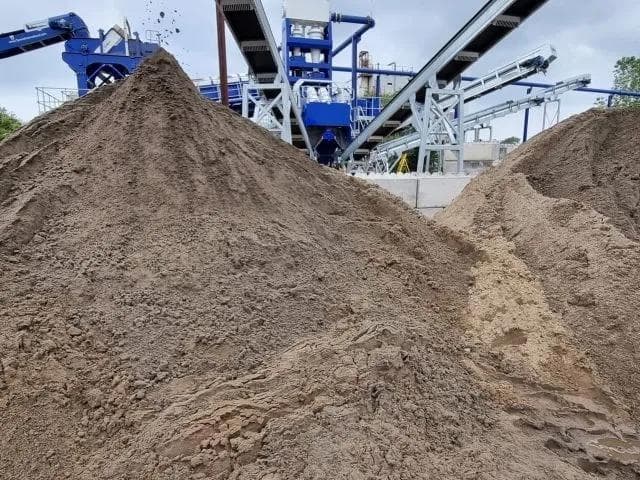
- More material recovered into clean, market-ready products
- Higher, more consistent throughput on clay- and fines-heavy feed
- Expanded product mix, including washed sands and clean aggregates
- Improved water reuse and solids management with integrated treatment and press dewatering
- Easier access for service and maintenance, supporting higher uptime
- Built-in scalability for future growth
Learn More
If you're wondering whether washing fits your feed, your site, or your targets, we'll help you map it out. Material in, specs out, water and fines handled, and what it means for cost and compliance.