
Why Washing?
Industrial soil washing is a forward-looking strategy to reduce
risk, protect the environment, and turn your dirt into dollars.
risk, protect the environment, and turn your dirt into dollars.
From Waste to Worth
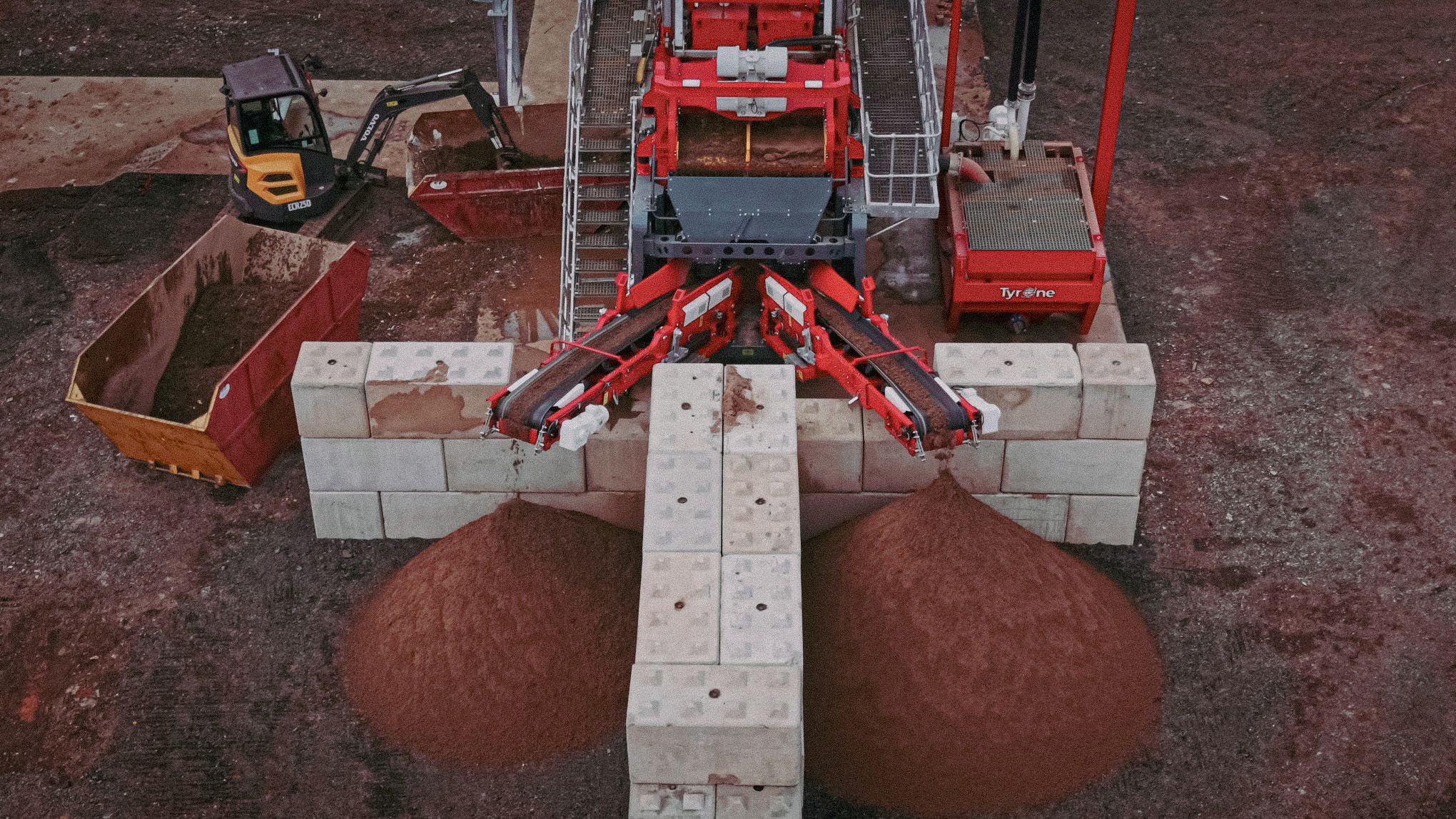
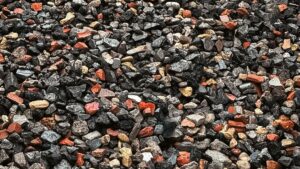
Soil washing uses controlled separation to pull recoverable sand and aggregate away from contaminants and fines. Unusable material is isolated for compliant handling, while clean product is recovered and put back to work. The result is lower hauling and disposal costs, reduced landfill exposure, and lower environmental and regulatory risk, while maximizing the value of material already on site.
The Value of
Soil Washing
Soil washing is about control. Done right, it pulls clean, material out of dirty feed and pushes the true waste into a smaller, manageable stream. That means fewer tonnes to landfill, lower hauling and disposal costs, and a cleaner, more efficient site process.
Key Outcomes
- Produce high-quality, correctly sized aggregates
- Convert waste material into a reusable resource
- Recycle process water and reduce overall consumption
- Minimize environmental and regulatory risk
- Open up secondary and regional market opportunities
- Lower the carbon footprint of your operation
Turn Compliance
Into Capability
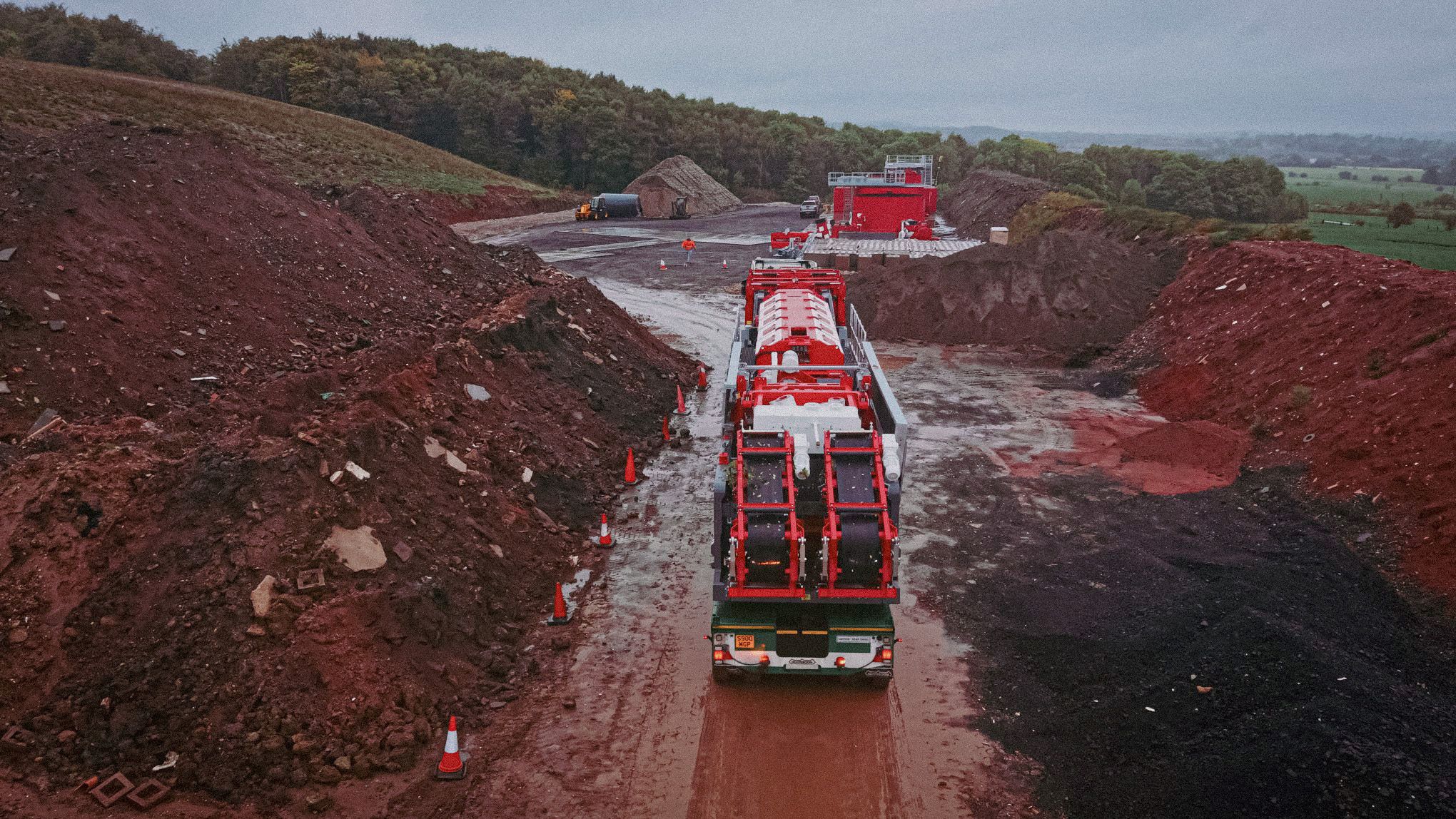
Soil rules are tightening across Canada, and the cost of getting it wrong keeps climbing. Soil washing gives you a compliant, traceable path that reduces disposal pressure and lowers risk.
- Reduce liability and project delays
- Support tracking, classification, and reporting
- Cut reliance on restricted landfill options
- Create a defensible process you can stand behind
Make Your Waste Work Harder
- REUSE YOUR SOILRecover sale-ready sand and aggregate you can put back to work on site or supply to local projects. That reduces virgin material demand and lowers embodied carbon.
- LOWER YOUR LANDFILL BURDENConcentrate contamination into a smaller waste stream, so fewer tonnes go to disposal. Fewer truckloads, lower hauling costs, and less pressure on landfills.
- IMPROVE YOUR WATER EFFICIENCYReuse process water and tighten control of residuals. Closed-loop or semi-closed-loop setups can cut freshwater use and improve management of contaminated water and fines.
Discover
Soil Washing
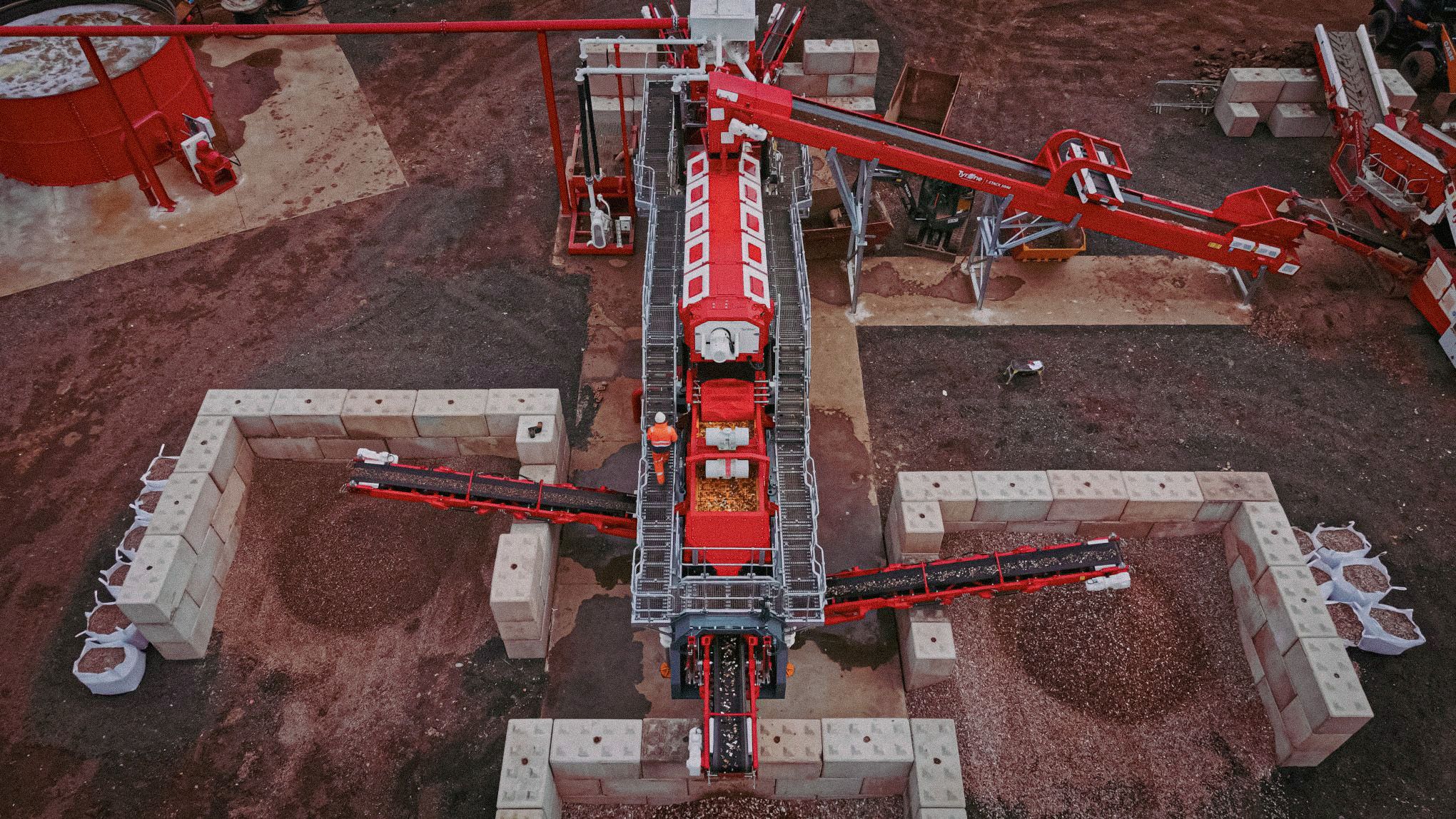
From hydrovac loads to contaminated fill, our washing systems take on a broad range of material types. Whether you’re remediating land, recycling construction waste, or recovering value from aggregate fines, we design scalable solutions around your material stream.
Get Started