Kealshore Project
Upgraded legacy wash plant | Modular 150 TPH with expansion plan to 200 TPH
Case Study Overview
Install Location
United Kingdom
Plant Type
Modular Plants
Tonnes Per Hour
150
Case Study Summary
What happened
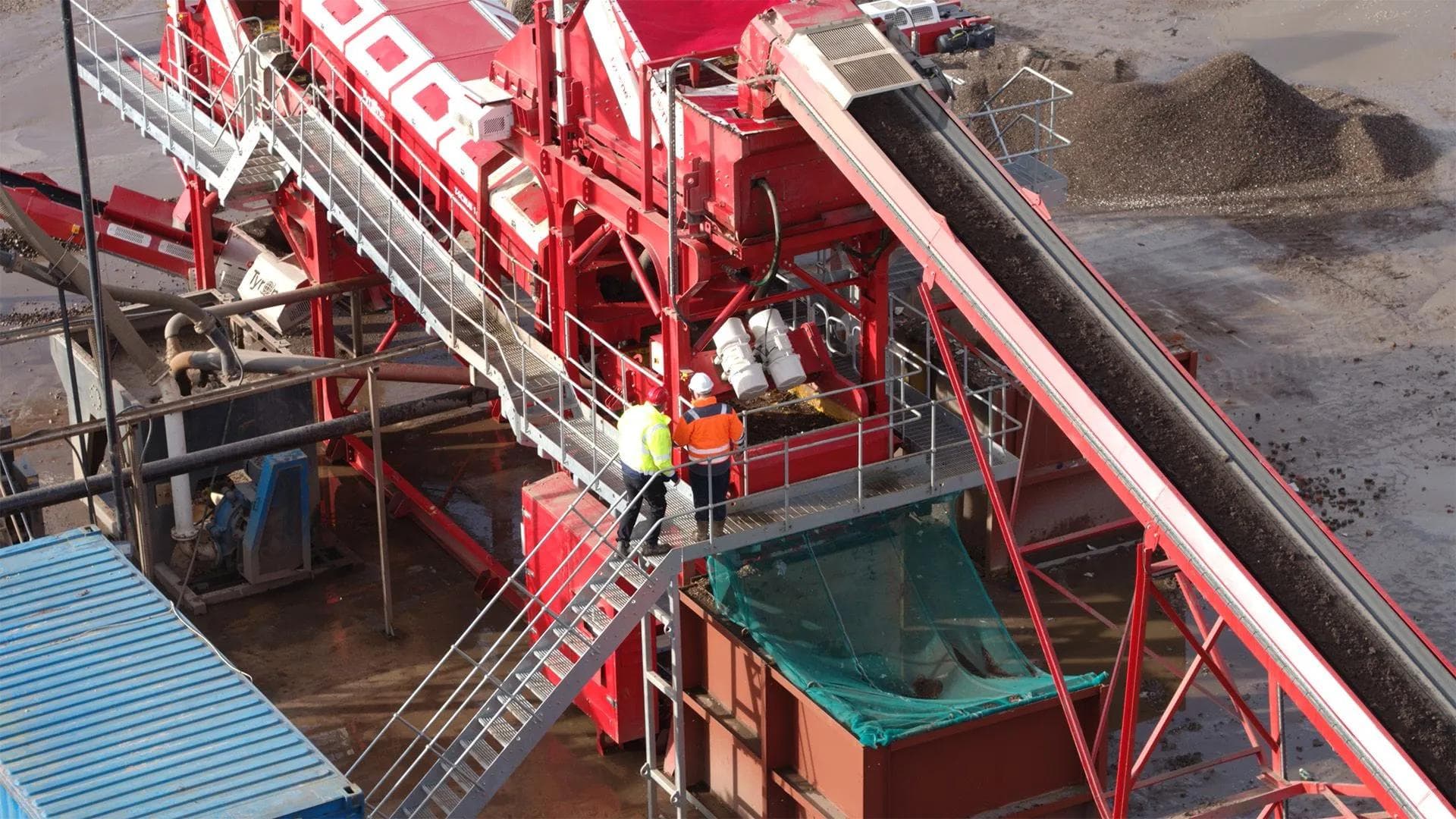
Kealshore replaced an aging wash plant with a modern modular system, increasing throughput from about 100 TPH to 150 TPH with a built-in path to scale to 200 TPH.
They are a family-run recycling and aggregate producer in North West England. Demand for cleaner recycled aggregates exposed the limits of an aging wash plant that was restricting output and driving costly downtime. A modern modular washing system was installed to lift throughput, improve product consistency, and support long-term reliability.
Challenge
The legacy liability
Old plant. High downtime. Limited capacity.
After more than a decade of operation, the legacy wash plant had become a liability with unreliable performance, frequent downtime, rising maintenance costs, and limited tonnes per hour.
Kealshore needed a system that could:
- Improve product quality and consistency
- Increase processing capacity
- Improve water recovery efficiency
- Reduce maintenance burden and increase uptime
Solutions
What was installed
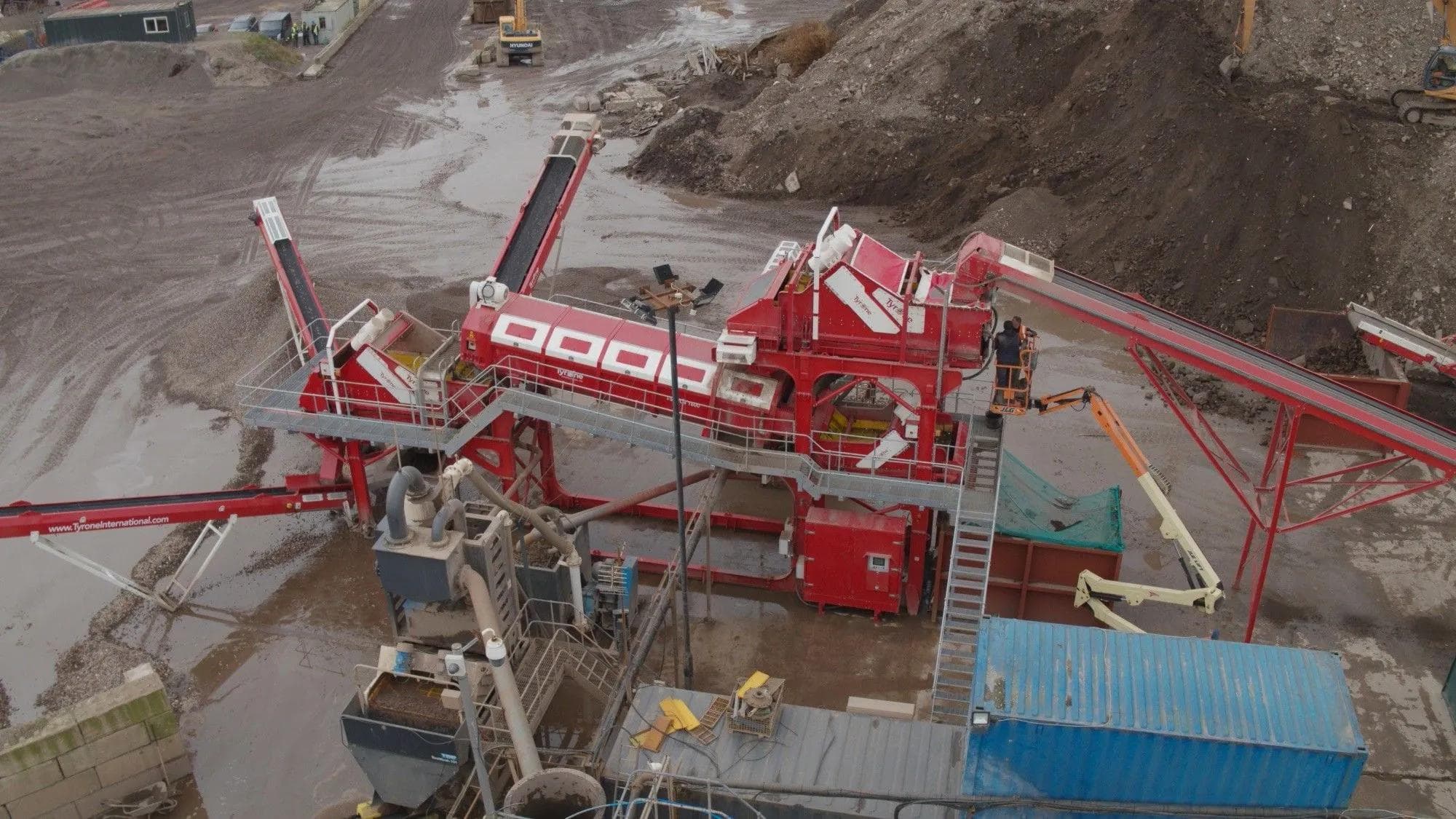
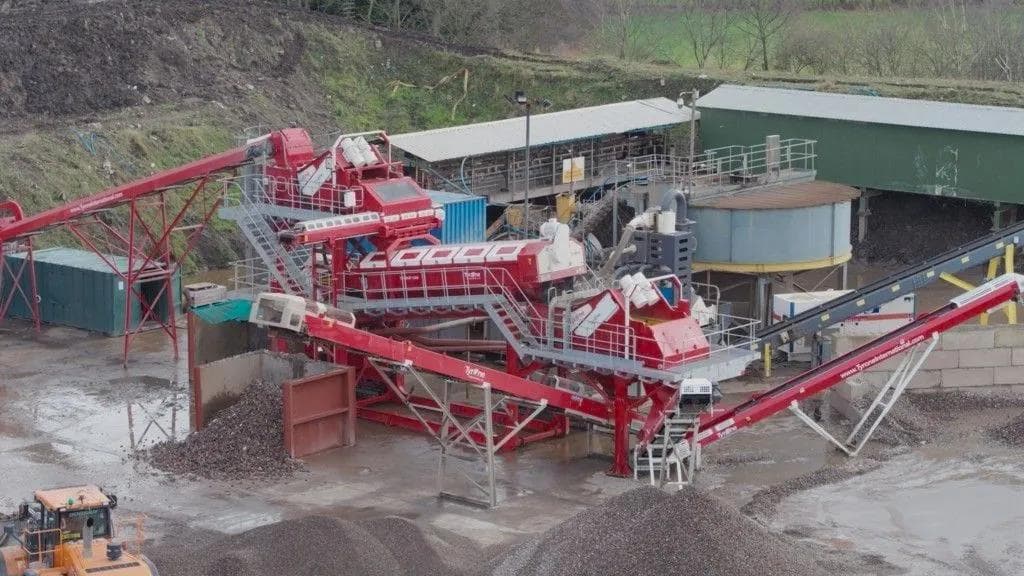
A tailored modular washing plant was designed, supplied, and installed to match Kealshore’s feed material and site footprint.
What changed:
- Throughput increased from ~100 TPH to 150 TPH, with provision to expand to 200 TPH
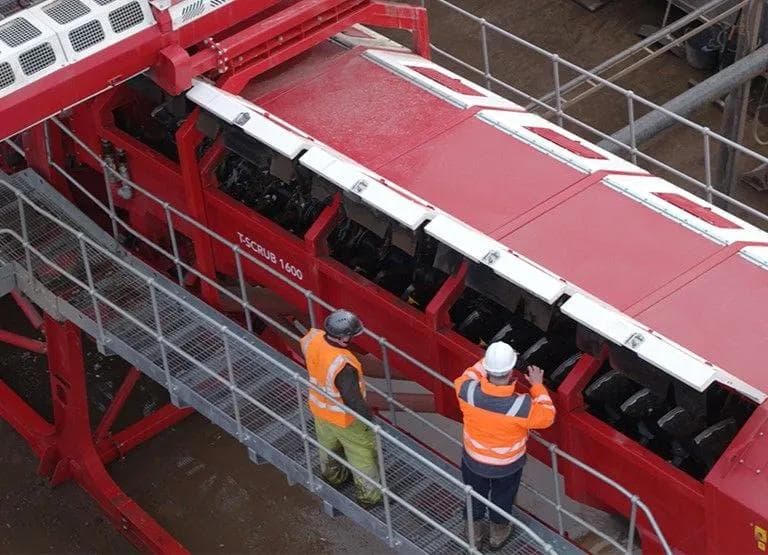
- Improved screening, sand recovery, and fines management for cleaner, more consistent end product
- Simpler layout with better access to reduce downtime and maintenance effort
Easy Numbers
Tonnes Per Hour
Starting throughput target. Built to lift production to 150 tonnes per hour for higher output and cleaner product.
Tonnes Per Hour
Provision to expand. Designed with a clear path to scale up to 200 tonnes per hour as demand grows.
Throughput Gain
Throughput increased from 100 TPH to 150 TPH, a 50% boost in overall processing capacity.
Results
Key Outcomes
With the new system in place, Kealshore is positioned to:
- Run higher, more stable production rates
- Deliver cleaner, more consistent recycled products
- Reduce downtime and maintenance pressure
- Improve operating efficiency and scalability as demand grows
Learn More
If you're wondering whether washing fits your feed, your site, or your targets, we'll help you map it out. Material in, specs out, water and fines handled, and what it means for cost and compliance.