
Hydrovac Waste
Hydrovac waste is a wet slurry of soil, fines, and debris. It’s
inconsistent, hard to dewater, and expensive to process, store, and haul.
inconsistent, hard to dewater, and expensive to process, store, and haul.
Your Bay Is the Bottleneck
Hydrovac slurry is easy to accept and hard to manage at scale. Wet loads settle slowly, fines stay suspended, and bays and ponds fill faster than you can process them. The result is bottlenecks, extra handling, and higher disposal cost.
Common Challenges
Hydrovac slurry brings high water, high volume, and high cost. Here are the top issues we see most often across our customers.
01
Solids Disposal Cuts Margin.
When solids are costly to haul and dump, every load hits profitability, and the pile grows faster than you want.
02
Drowning in
Water Volume.
High water content eats up capacity and time, slowing truck turns and limiting how many loads you can process.
03
All Handling, With No Upside.
When dewatered solids have little reuse value, you’re left rehandling piles, trucking material, and managing compliance.
What's the Slurry?
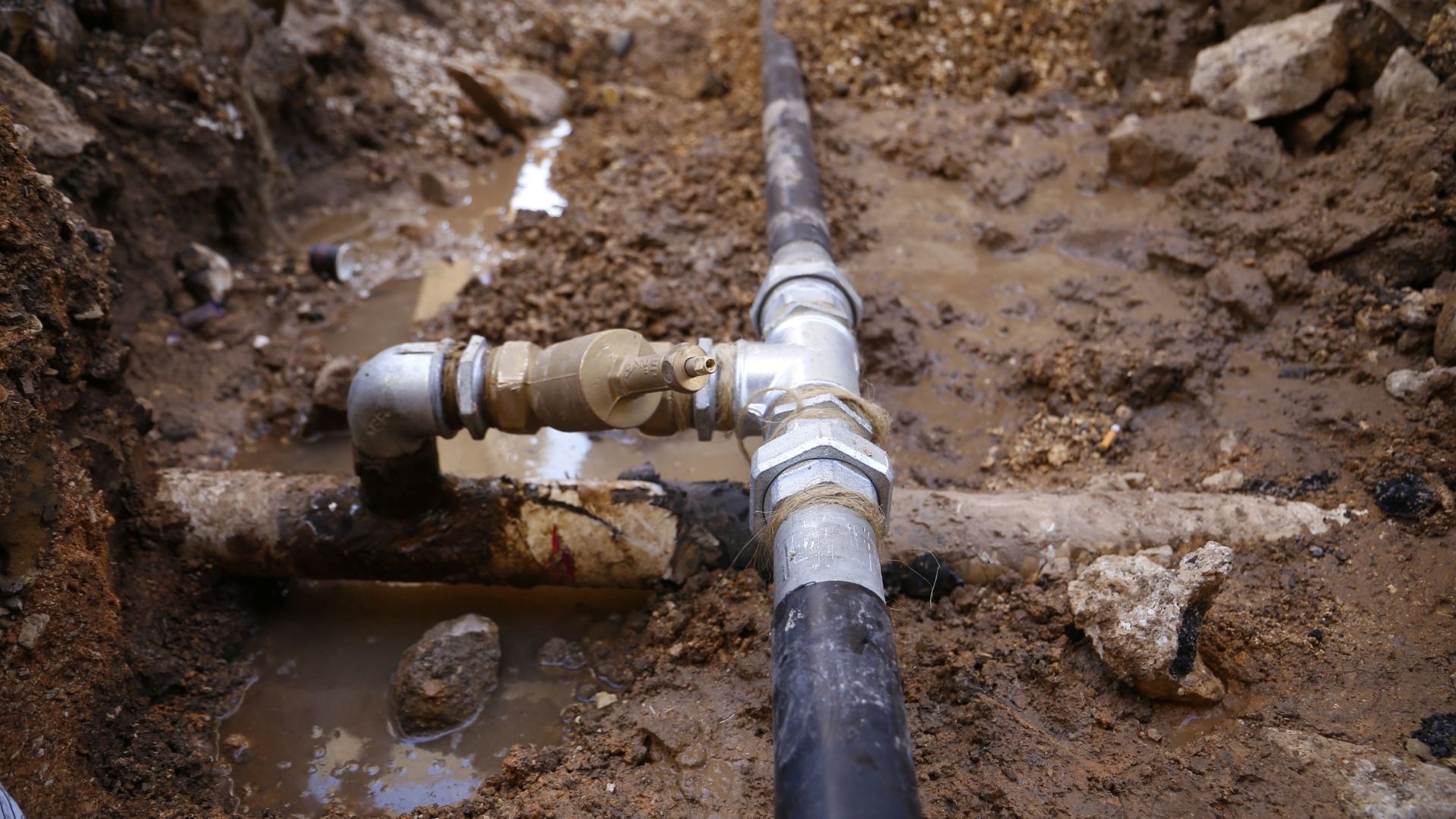
Most loads are a blend of water and excavated ground material. That usually includes:
- Sand and small aggregate
- Silt and clay fines that stay suspended
- Roots, organics, and light debris
- Asphalt fragments and subbase gravel, depending on the job
And even when it looks normal, some material can be higher risk based on where it came from. That drives extra handling, tighter rules, and higher downstream cost.
Best-Fit Applications
When to Wash
Washing pays off when wet loads are choking throughput, pushing up disposal cost, or creating inconsistent outputs that are hard to manage.
- Utilities and Municipal MaintenanceSteady daylighting volumes. Built for fast, predictable handling.
- Telecom and Fiber InstallsHigh load counts with usable material, but too wet and fine-heavy to manage without processing.
- Brownfield RedevelopmentReduces worst-case disposal. Recovers usable fractions where permitted.
- Site ExcavationBreaks up clay-heavy feed. Separates fines from coarse for better reuse.
Sustainable Benefits You Can Measure
Sustainability starts with saleable slurry. Wet processing and dewatering can recover a usable coarse fraction, often sand, for reuse or resale where permitted, while concentrating fines into a smaller stream for controlled handling. Debris and organics are removed up front, and process water is cleaned and reused in a closed-loop system.
The result is straightforward: less exported as waste, more usable material recovered, and a cleaner, more predictable process.
EXPLORE OTHER REAL WORLD APPLICATIONS
Read Case StudiesSee our case studies for proven results in the field.
Is your throughput Getting Choked Up?
Tell us what’s coming in and where you’re getting stuck. We’ll help you build a plan to separate, dewater, and move loads faster, with more usable material coming out.
Chat With an Expert